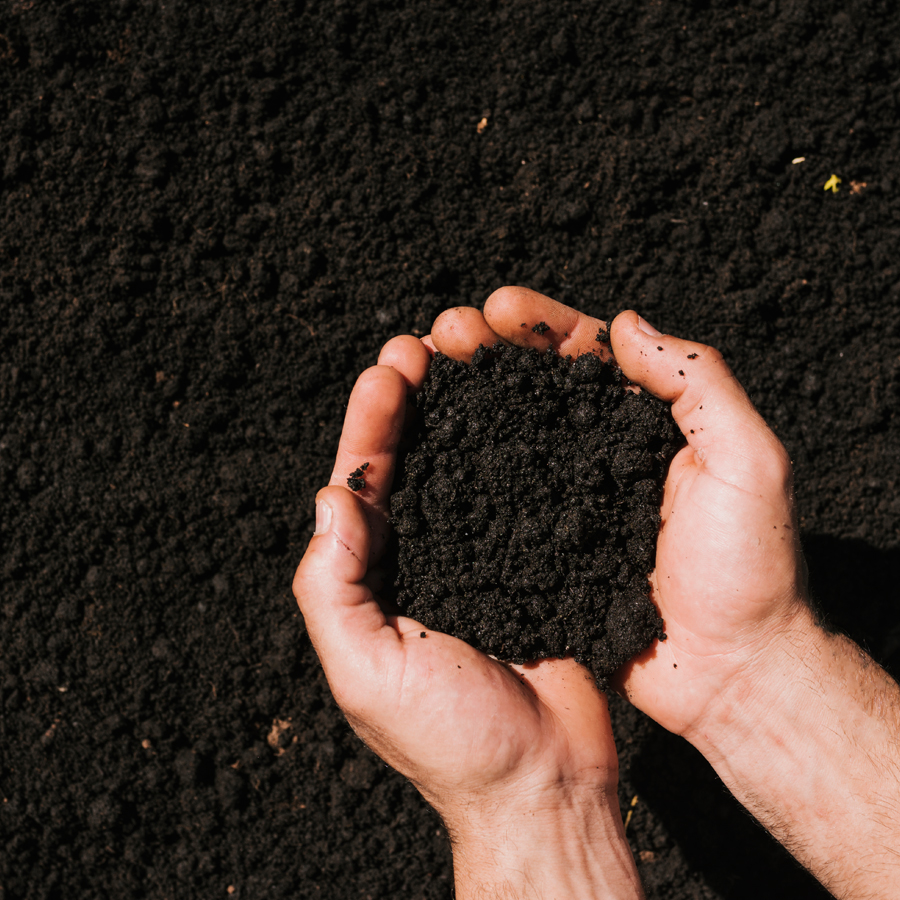
Manure
In Stock
It is a natural by-product of livestock farming and one of the oldest and most effective organic fertilizers used in agriculture. Manure is commonly applied to soil in raw, composted, or dried form to improve fertility, structure, and microbial activity. It can be used in organic farming, gardening, and large-scale crop production.
Description
Types of Manure
- Green Manure: Green manure involves incorporating specific crops, often legumes, into the soil before planting the main crop. This process enhances soil fertility and structure by adding organic matter and improving nutrient availability. Examples include planting cover crops like clover or alfalfa and then tilling them into the soil.
- Farmyard Manure: This is a traditional type of manure, often a mixture of animal dung, urine, and bedding materials (like straw) from farms. It is a valuable source of organic matter and nutrients, improving soil structure and water retention.
- Compost Manure: Compost manure is created by decomposing organic materials like yard waste, food scraps, and other farm residues. This process creates a nutrient-rich material that can be used to improve soil fertility and structure.
- Animal Manure:Different types of animal manure, like cow dung, chicken manure, and sheep manure, offer varying nutrient profiles. For example, chicken manure is typically high in nitrogen, while cow manure is known for its balanced nutrient content and ability to improve soil structure.
- Other Organic Manures: This category includes a wide range of materials like vermicompost (created by earthworms), bone meal, and various agricultural byproducts. These materials can be valuable additions to soil, providing nutrients and improving soil health.
Benefits of Manure (for Soil and Crops)
- Rich in Essential Nutrients
- Contains key macronutrients:
- Nitrogen (N) – promotes leafy plant growth
- Phosphorus (P) – supports root development and flowering
- Potassium (K) – improves overall plant health and drought resistance
- Improves Soil Structure
- Increases soil porosity and water-holding capacity, enhancing aeration and root penetration.
- Boosts Microbial Activity
- Encourages the growth of beneficial soil microbes that aid in nutrient cycling and organic matter breakdown.
- Enhances Organic Matter
- Adds humus to the soil, which improves nutrient retention and reduces erosion.
- Slow-Release Fertilizer
- Releases nutrients gradually, ensuring a steady supply over time and reducing the risk of nutrient leaching.
Additional information
| Select Weight | 100gms, 500gms, 1Kg, 2Kgs, 5Kgs |
|---|